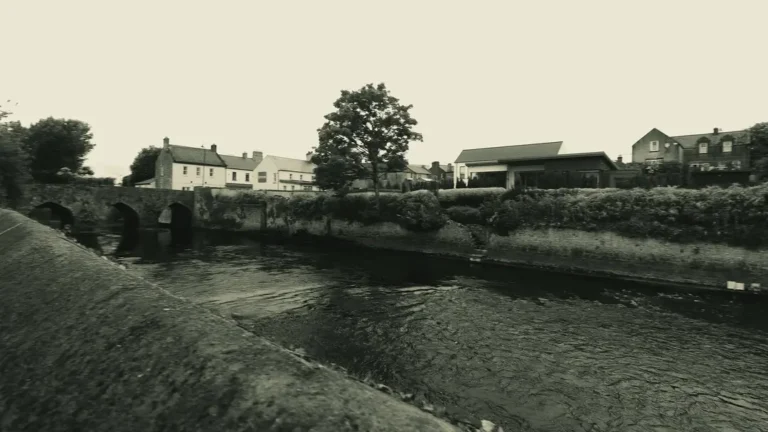
History of Drogheda
Drogheda, a town with a deep and interesting past, sits right on the River Boyne. Its story goes way back, showing how important it was through different times. From its early days as two separate settlements to its current role as a modern hub, the history of Drogheda is pretty cool. It’s a place where you can really feel the weight of centuries.
Key Takeaways
- Drogheda started as two distinct towns, one on each side of the Boyne River, before they became one.
- The town played a big role in medieval Ireland, often hosting important government meetings and having strong walls.
- The 17th century brought changes to Drogheda’s name and saw it impacted by major events like the Battle of the Boyne.
- The 18th and 19th centuries were periods of growth for Drogheda, with new buildings, a busy port, and a growing population.
- Today, Drogheda continues to evolve, with its port adapting and its boundaries shifting, while still keeping its cultural roots.
Early Drogheda History
Pre-Norman Settlement
So, before the Normans showed up, was Drogheda even a thing? Well, that’s the million-dollar question, isn’t it? Local stories like to connect Millmount to Amergin Glúingel, but the real dirt, according to John Bradley’s research, doesn’t show any solid proof of a town before the Normans. But, recent digs around the Drogheda Bypass area hint that people were hanging around the area for ages before that. So, maybe not a town, but definitely a spot people liked to be.
Founding of the Twin Towns
Okay, so the Normans arrive, and things start to get interesting. Drogheda basically started as two separate towns on opposite sides of the River Boyne. Hugh De Lacy gave the go-ahead for a town charter on the Meath side in 1194. Then, Bertram de Verdun, another big shot Norman, started his own town on the Louth side. Talk about a rivalry! It’s like two kids building forts next to each other, except with more political power involved. The earliest town charter came from Walter de Lacy in 1194.
Unification of Drogheda
Eventually, these two towns realized they were better together. In 1412, they officially joined up and became one Drogheda. Can you imagine the town meetings leading up to that? Trying to merge two different sets of rules and customs? Must have been a headache. But hey, they pulled it off, and Drogheda became a bigger, stronger town because of it.
Drogheda’s story is one of slow but steady growth, from scattered settlements to a unified town. The blending of Norman ambition with the existing landscape created a unique place in Irish history.
Medieval Significance of Drogheda
Drogheda really came into its own during the medieval period. It became a key spot in the English Pale, and you can still see remnants of that time around the town. It’s pretty cool to think about all the history that happened here.
Walled Town Status
Drogheda was a big deal as a walled town. It was important for defense, obviously, but also for trade and just showing off how important the town was. Parts of the old walls are still around, like at Scotch Hall and Millmount, which is a nice reminder of the past. The mighty River Boyne runs through the town, uniting this ancient ground.
Parliamentary Meetings
One of the things that made Drogheda significant was that the Irish Parliament met there a bunch of times. Can you imagine all the important decisions that were made within those walls? The Castle of Drogheda, also known as The Castle of Comfort, even served as a sitting place for the Irish parliament in 1494. The Tholsel, built in 1770, regularly hosted sessions of the Irish Parliament.
Notable Structures
There are some really cool old buildings and structures in Drogheda that date back to medieval times. St. Laurence’s Gate is probably the most famous, and it’s considered one of the best examples of its kind in Europe. It originally led to the Hospital of St. Laurence. Then there’s Millmount, which has been around since Norman times and now houses a museum. These places really give you a sense of what Drogheda was like back then.
Drogheda’s medieval structures tell a story of a town that was both fortified and influential. These buildings served not only practical purposes but also as symbols of power and faith, shaping the town’s identity for centuries to come.
Drogheda in the 17th Century
The 17th century was a pretty eventful time for Drogheda, marked by changes in name, titles, and some serious conflict. It’s a period that really shaped the town’s identity.
Spelling Variations
Back then, spelling wasn’t exactly standardized like it is now. You’d see the town’s name written in different ways depending on who was doing the writing. For example, in the 1600s, it wasn’t uncommon to see "Tredagh" used, which was closer to how people actually pronounced it. There’s even a map from around 1655 that spells it "Droghedagh." It just goes to show how language was a bit more fluid back then.
Earl of Drogheda Creation
In 1661, Henry Moore, who was the 3rd Viscount Moore, got a promotion, so to speak. He was given the title Earl of Drogheda in the Peerage of Ireland. This was a pretty big deal for the Moore family and for Drogheda itself, raising the town’s profile.
Battle of the Boyne Impact
The Battle of the Boyne in 1690 had a big impact, even though it didn’t happen right in the town. It took place a few miles west, along the River Boyne. The battle was a major turning point in Irish history, and Drogheda, being so close, felt the effects. The siege of Drogheda was a bloody affair.
The Battle of the Boyne’s outcome influenced the political and social landscape of the region for years to come. Drogheda, as a significant town nearby, found itself caught in the ripple effects of this major historical event, influencing its development and demographics in the subsequent decades.
Here’s a quick rundown of some key events:
- 1649: Siege of Drogheda
- 1661: Earl of Drogheda title created
- 1690: Battle of the Boyne
Drogheda’s 18th Century Development
The 1700s were a time of change for Drogheda. It wasn’t always smooth sailing, but the town definitely started to take on a more modern shape. There were new buildings, new organizations, and a growing population. It’s interesting to see how these things came together to set the stage for the next century.
Completion of The Tholsel
Remember that old Tholsel? Well, it was finally replaced! The new Tholsel, finished in 1770, became a central point for the town’s administration and commerce. It was a big deal because the old one was falling apart. The borough council decided to commission a new building on the same site. It’s a good example of how Drogheda was trying to modernize and improve its infrastructure. The new Tholsel was a symbol of progress.
Establishment of Harbour Commissioners
In 1790, the Drogheda Harbour Commissioners were established. This was a pretty important step for the town because it meant there was now a dedicated group in charge of managing and developing the port. Before this, things were probably a bit disorganized. The Harbour Commissioners were created by the Port of Drogheda Act 1790. They were around until 1997, when they were replaced by the Drogheda Port Company. Here’s a quick look at what they did:
- Managed the port’s operations.
- Oversaw improvements to the harbor.
- Collected fees and taxes related to shipping.
Having a dedicated group like the Harbour Commissioners really helped Drogheda to capitalize on its location and grow its maritime trade. It’s a good example of how strategic planning can make a big difference for a town’s economy.
Population Growth
Drogheda saw a significant increase in population during the 18th century. While exact figures can be hard to come by, it’s clear that the town was growing. This growth was likely fueled by a combination of factors, including increased trade, new industries, and general economic opportunities. More people meant more activity, more houses, and more demand for services. It all contributed to a more vibrant and bustling town. The population boom set the stage for further development in the 19th century. The population growth was a sign of the times.
Drogheda in the 19th Century
The 19th century brought significant changes to Drogheda, impacting its economy, infrastructure, and overall character. It was a period of both growth and challenges, shaping the town into what it is today. Let’s take a look at some key aspects of this era.
Drogheda Steam Packet Company
In 1825, the Drogheda Steam Packet Company shipping services was established. This was a big deal for the town, as it provided regular shipping services to Liverpool. This connection boosted trade and made it easier for people to travel between Drogheda and England. It really put Drogheda on the map as a key port town.
Boundary Changes
The boundaries of Drogheda saw some adjustments during the 19th century. These changes reflected the town’s growing population and expanding urban area. It’s all part of the natural evolution of a town as it grows and develops. These changes are important because they define the administrative limits and influence local governance.
Architectural Landmarks
The 19th century saw the construction of several architectural landmarks in Drogheda. These buildings added to the town’s character and reflected the architectural styles of the time. They stand as a testament to the town’s prosperity and the skills of local builders and architects. These buildings are still around today, reminding us of Drogheda’s rich history.
The 19th century was a time of significant transformation for Drogheda. The town experienced economic growth, infrastructural development, and social changes that shaped its modern identity. It was a period of both progress and challenges, leaving a lasting impact on the town’s landscape and its people.
Here’s a quick recap of some key developments:
- Establishment of the Drogheda Steam Packet Company
- Boundary adjustments to accommodate population growth
- Construction of new architectural landmarks
Drogheda’s Modern Era
Port Company Transition
Things changed for the Drogheda Harbour Commissioners. They had been around since 1790, managing the port. But in 1997, they were replaced by a commercial enterprise, the Drogheda Port Company. This was a big shift, moving from a public body to a more business-focused operation. It’s all about keeping up with the times, I guess.
Boundary Adjustments
Over time, the boundaries of Drogheda have been tweaked. These changes reflect population shifts and the growth of the town. It’s not always a smooth process, but it’s necessary to make sure everything is properly organized. These adjustments can affect everything from local taxes to representation in government.
Cultural Institutions
Drogheda has a bunch of cultural institutions that are worth checking out. These places help preserve and promote the town’s history and identity. Here are a few:
- Highlanes Gallery: Showcases local and national art.
- Droichead Arts Centre: Hosts theater performances, music gigs, and art exhibitions.
- Millmount Museum: Offers a look into Drogheda’s past, with exhibits on local history and industry.
It’s important to support these institutions. They play a big role in making Drogheda a vibrant and interesting place to live. They also attract tourists, which is good for the local economy. Plus, they provide educational opportunities for people of all ages. It’s a win-win situation.
Drogheda has really changed a lot in recent times, becoming a vibrant and exciting place. To learn more about how this town has grown and what makes it special today, visit our website!
Drogheda: A Story Still Unfolding
So, that’s a quick look at Drogheda’s long and interesting past. From its early days as two separate towns, then becoming one important place, it has seen a lot. Battles, changes in power, and new businesses all played a part. The town has kept some of its old structures, like St. Laurence’s Gate, which is pretty cool. And the River Boyne, it’s always been there, a big part of the town’s story. Drogheda has changed over time, but it still holds onto its history. It’s a place that keeps growing and adding new chapters to its story, even today.
Frequently Asked Questions
How did Drogheda begin?
Drogheda started as two separate towns, one on each side of the River Boyne. These towns were founded by Hugh De Lacy and Bertram de Verdun. They eventually joined together in 1412.
Was Drogheda a significant town in the Middle Ages?
Yes, Drogheda was a very important walled town during the medieval period, especially within the English Pale. It often hosted meetings of the Irish Parliament.
Did Drogheda have different spellings in the past?
In the 1600s, Drogheda was sometimes spelled “Tredagh” or “Droghedagh.” This was because people often pronounced it that way.
How did the Battle of the Boyne affect Drogheda?
The Battle of the Boyne happened very close to Drogheda in 1690, about 3.7 miles west of the town. This battle had a big impact on the town’s history.
When was The Tholsel completed?
The Tholsel, a significant building in Drogheda, was finished in 1770. It served as a main government building for many years.
What was the Drogheda Steam Packet Company?
In 1825, the Drogheda Steam Packet Company was created. This company offered ship services to Liverpool, helping connect Drogheda to other important places.