How to Get to the Hill of Tara
So, you’re thinking about visiting the Hill of Tara? Awesome! It’s a really cool spot with tons of history. But, like with any trip, figuring out how to get to Tara can be a bit tricky if you’re not familiar with the area. This article will help you sort out all the details, whether you’re driving yourself or using public transport.
Key Takeaways
- The Hill of Tara is located in County Meath, not too far from towns like Navan and Dunshaughlin.
- How to get to the Hill of Tara from Dublin is straightforward, mostly using the M3 motorway, but watch out for local road turns.
- Public bus services, like the Bus Éireann 109, can get you close, but expect a walk to the actual site.
- There’s a visitor center and guided tours available, which can really make your visit better.
- Dress for the weather, bring cash for some things, and keep pets on a leash if you bring them along.
Hill of Tara Directions
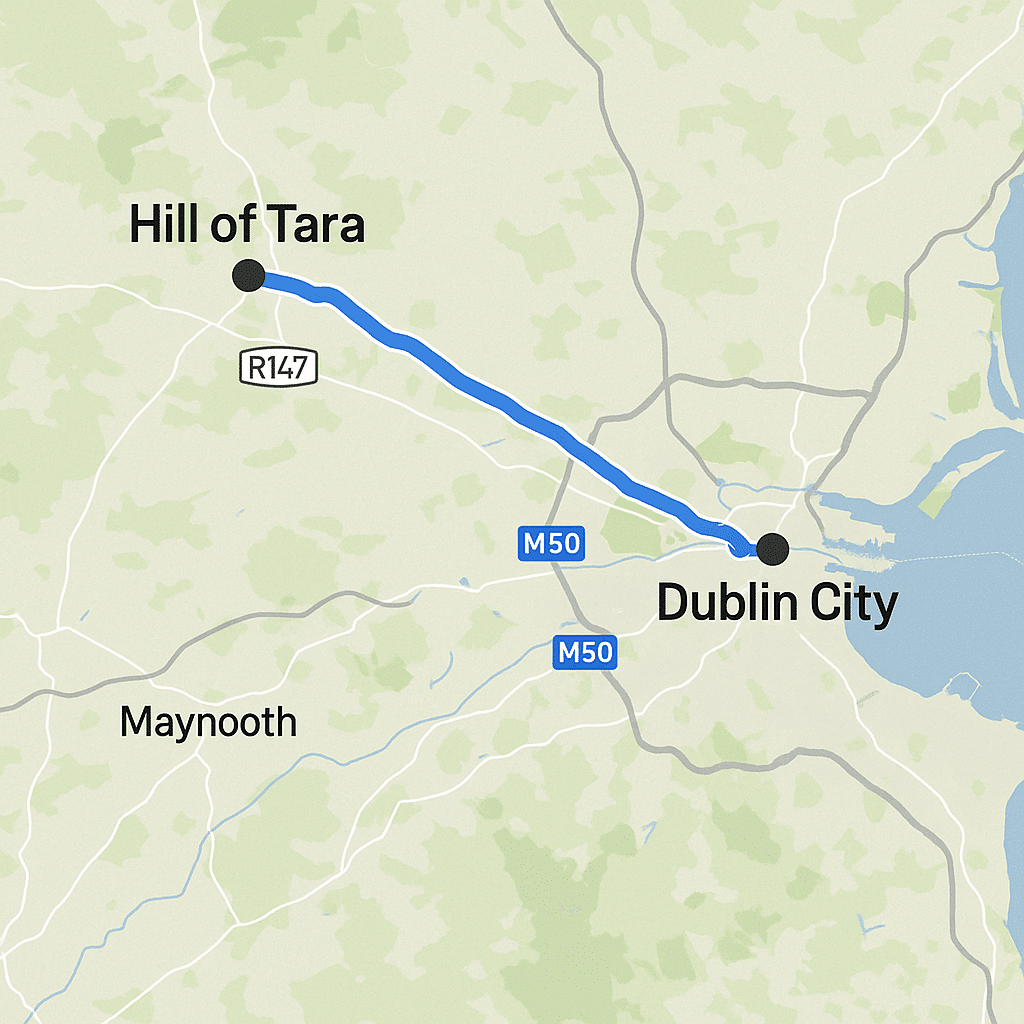
Geographical Coordinates
Okay, so first things first, let’s pinpoint exactly where this historical spot is. The Hill of Tara isn’t just anywhere in Ireland; it’s got specific coordinates that place it right in the heart of County Meath. Knowing these coordinates can be super helpful if you’re using a GPS or any kind of digital map to get there. You can punch in the numbers and let technology do its thing. It’s way easier than unfolding a giant paper map, trust me.
Proximity to Nearby Towns
Tara’s not smack-dab in the middle of nowhere, but it’s also not in a bustling city center. It’s close to a few towns, which is good news for anyone needing supplies or a place to grab a bite. Navan is probably the biggest town nearby, and it’s got plenty of shops and restaurants. Trim is another option, and it’s got that cool Trim Castle luxury chauffeur services that you might want to check out. Basically, you’re not stranded, but you’re also not tripping over tourists at every corner. It’s a nice balance.
- Navan: Approx. 15-minute drive
- Trim: Approx. 20-minute drive
- Dunsany: Approx. 10-minute drive
Regional Context
The Hill of Tara is more than just a hill; it’s part of the Boyne Valley, which is like Ireland’s ancient history central. This whole area is packed with archaeological sites and historical landmarks. You’ve got Newgrange, Knowth, and Dowth, all these prehistoric monuments that are seriously impressive. Being in the Boyne Valley means Tara is surrounded by history, so you’re not just seeing one site; you’re stepping into a whole landscape of ancient Ireland. It’s pretty cool when you think about it. The Hill of Tara has been a place of significance for millennia of Irish history, with a complex concentration of monuments and significant events that cover a span of time from approximately 3500 BC to the 19th century. It is one of the most important archaeological sites in Ireland, and indeed the world.
The Hill of Tara is the jewel in the crown of the Boyne Valley landscape. A site that has been in use for more than 5000 years as a place of burial and assembly, it grew to fame as the legendary inauguration site of the ancient High Kings of Ireland. From its rolling slopes one can see all the way to the other great sites of the Boyne Valley, including Loughcrew Cairns, the Hill of Slane, Trim Castle and beyond. In later centuries it remained the focus of Gaelic identity and remains to this day the beating heart of Ireland.
Driving Directions to Tara
How to get to the Hill of Tara from Dublin
Okay, so you’re planning a trip from Dublin to the Hill of Tara? Awesome! You’ve got a couple of options, depending on whether you want to save a few bucks on tolls or get there a bit faster. The most straightforward route is via the M3 motorway.
- M3 Route (Toll Road): Hop on the M3 heading north. It’s well-signposted, so you shouldn’t get lost. Just be aware that there’s a toll. Take Junction 7, signed for Skyrne/Johnstown. Then, follow the R147 for about a kilometer. Turn right, following the signs for the Hill of Tara. At the T-junction, turn right again, and the car park will be on your left.
- R147 Route (No Toll): If you want to avoid the toll, follow signs for Dunshaughlin. Travel north on the R147 through Dunshaughlin. After about 3 km, you’ll see signs for Tara.
- Alternative Route: Another option is to take the N3. This route might have more traffic, especially during peak hours, but it’s a scenic drive through some of the local towns.
Motorway Access Points
If you’re coming from other parts of Ireland, getting onto the M3 is pretty easy. Here’s a quick rundown:
- From the North (e.g., Belfast): Take the M1 southbound. Then, connect to the M3. Be aware that the M1 also has tolls.
- From the West (e.g., Galway): Head towards Dublin and connect to the M3 from the M50 (Dublin’s orbital motorway). The M50 also has tolls, and it uses an electronic tolling system, so make sure your car is set up for that.
- From the South (e.g., Cork): Take the M7 towards Dublin, then connect to the M50 and then the M3. Again, tolls on the M50 are electronic.
Navigating Local Roads
Once you exit the motorway, you’ll be on local roads for the last stretch. Don’t worry; it’s not too complicated. audio guided tour can be helpful here.
- Signage: Keep an eye out for signs to the Hill of Tara. They’re generally pretty clear, but it’s always good to pay attention.
- Road Quality: The local roads can be narrow and winding, so take your time and drive carefully. Watch out for cyclists and pedestrians, especially during the summer months.
- GPS: Using a GPS or smartphone navigation app is a good idea, but be aware that sometimes they can be a bit off in rural areas. Always double-check the signs to make sure you’re on the right track.
It’s worth noting that parking at the Hill of Tara can get busy, especially on weekends and during peak season. Arrive early to secure a spot. Also, be mindful of where you park, as some areas are designated for specific purposes. If the main car park is full, there might be overflow parking available nearby, but it could involve a bit of a walk.
Public Transportation Options
Okay, so you wanna visit Tara but don’t have a car? No sweat! Public transport is an option, though it might take a little planning. It’s not like there’s a train station right at the foot of the hill, but buses can get you close.
Bus Services to Tara
The main way to get to the Hill of Tara using public transport is by bus. Several Bus Éireann routes service the general area. You’ll want to look for buses that stop in nearby towns like Navan or Trim. From there, you’ll need to figure out the rest of the journey, which might involve a taxi or a decent walk. Check the Bus Éireann website for the most up-to-date routes and schedules. It’s always a good idea to double-check, especially on weekends or holidays, as schedules can change. You can also find trip itineraries online to help plan your journey.
Walking From Bus Stops
Alright, so the bus drops you off in Navan or Trim. Now what? Well, from either of those towns, you’re still looking at a bit of a walk to get to the actual Hill of Tara. It’s doable, but be prepared. We’re talking several kilometers, and some of it might be on roads without sidewalks. Make sure you’ve got comfortable shoes, water, and maybe a snack. Also, check the walking route beforehand using a map app on your phone, and be aware of traffic. If walking isn’t your thing, consider grabbing a taxi from the town center. It’ll save you time and energy.
Checking Bus Schedules
This is super important. Don’t just assume the buses are running on a frequent schedule. Always, always check the Bus Éireann website or app for the most current timetable. Pay attention to the day of the week, as weekend schedules are often different from weekday ones. Also, be aware that some routes might have limited service, especially during off-peak hours. It’s better to be over-prepared than stranded! Here’s a quick checklist:
- Check the Bus Éireann website.
- Note the day of the week.
- Confirm the route number.
- Look for any schedule changes or disruptions.
Planning your bus journey in advance is key. Don’t leave it to the last minute, or you might find yourself missing the last bus back and stuck figuring out alternative arrangements. Trust me, it’s happened to the best of us.
Planning Your Visit to Tara
Planning a trip to the Hill of Tara? Here’s what you should know to make the most of your visit. It’s more than just a historical site; it’s an experience. I’ve been there a few times, and each visit reveals something new. It’s a place where you can really feel the history.
Visitor Center Information
The Hill of Tara Visitor Centre is located in a 19th-century church right as you enter the site. It’s your go-to spot for information, tickets for guided tours, and a bit of background on the area. The center usually has exhibits that help bring the history of Tara to life.
- Opening Hours: Typically 10:00 AM to 5:00 PM, but it’s always a good idea to check their Facebook page or the Heritage Ireland website for the most up-to-date hours, especially since they can change depending on the season.
- Contact: You can reach them at +353 46 902 5903 or via email at hilloftara@opw.ie.
- What to Expect: The center offers information, maps, and sometimes hosts small exhibitions. It’s a great starting point before you explore the hill itself.
Guided Tour Availability
I highly recommend taking a guided tour. While the site itself is free to wander, the tour provides a lot of context and stories that you might miss otherwise. Without it, you’re just looking at mounds of dirt, but with it, you’re hearing tales of kings and ancient rituals.
- Tour Times: Tours usually run regularly during the visitor center’s opening hours. Check at the visitor center for the schedule.
- Cost: There’s a fee for the guided tour, separate from the free access to the Hill of Tara site itself.
- What You’ll Learn: Expect to hear about the history, mythology, and archaeology of the Hill of Tara. The guides are usually very knowledgeable and can answer most questions.
The guided tour is worth the money. The guides are passionate and really bring the history to life. It’s a much richer experience than just wandering around on your own.
Accessibility Considerations
Keep in mind that the Hill of Tara is a natural site, and accessibility can be a bit limited. The terrain is uneven, and some areas might be difficult to navigate for those with mobility issues.
- Terrain: The ground is mostly grass and can be uneven. Wear appropriate footwear.
- Wheelchair Access: Restricted access for visitors with disabilities.
- Assistance: If you have specific needs, it’s best to contact the visitor center in advance to see what accommodations can be made. They might be able to offer some assistance or advice on the best way to see the site given your circumstances.
Essential Tips for Visiting Tara
Recommended Attire
When planning your trip to the Hill of Tara, keep the Irish weather in mind. It can be unpredictable! Layers are your friend. Even on a sunny day, the hilltop can be breezy, so bring a light jacket or sweater. Comfortable walking shoes are a must, as you’ll be doing a fair bit of walking on uneven ground. And don’t forget a rain jacket – just in case!
Payment Methods Accepted
At the Visitor Center, it’s a good idea to have a mix of payment options available. While credit and debit cards are generally accepted, it’s always wise to carry some cash, especially for smaller purchases or if the card machines are temporarily out of service. If you’re planning on taking a guided tour, confirm the accepted payment methods beforehand to avoid any surprises.
Bringing Pets to Tara
Thinking of bringing your furry friend along? The Hill of Tara is generally pet-friendly, but there are a few things to keep in mind. Pets should be kept on a leash at all times to protect both them and the historical site. Be mindful of other visitors and clean up after your pet. While pets are welcome on the grounds, they may not be allowed inside the Visitor Center. Always best to check ahead of time.
Remember to respect the site’s historical significance. Avoid climbing on monuments or disturbing the landscape. Leave no trace behind – pack out everything you pack in. By following these simple guidelines, you can help preserve the Hill of Tara for future generations to enjoy.
Exploring the Hill of Tara Site
The Tara Hill Walk
Okay, so you’ve made it to the Hill of Tara. Now what? Well, the best way to experience it is to just walk around. Seriously. The whole area is accessible by foot, and wandering around lets you soak in the atmosphere. There aren’t really any formal trails, but that’s part of the charm. Just be mindful of the terrain, especially if it’s been raining – it can get pretty muddy. Take your time, explore the different mounds and ditches, and try to imagine what it must have been like thousands of years ago. It’s a pretty special place, and walking it is the best way to connect with it.
Key Monuments to See
There’s a ton of stuff to see on the Hill of Tara, but here are a few highlights you absolutely shouldn’t miss:
- Ráth na Ríogh (The Royal Enclosure): This is the big one, the largest enclosure on the hill. It’s massive, and you can really get a sense of the scale of things here.
- Teach Chormaic (Cormac’s House): This is a passage tomb, and it’s one of the oldest structures on the hill. It’s a bit smaller than some of the other monuments, but it’s definitely worth checking out.
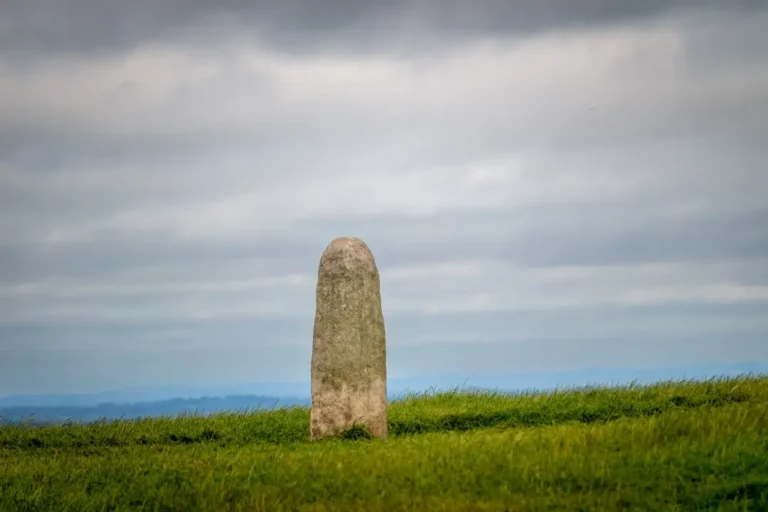
- The Stone of Destiny (Lia Fáil): Legend says this stone would roar when a true king of Ireland stood on it. It’s a cool story, and the stone itself is pretty impressive. It’s located within the Royal Enclosure.
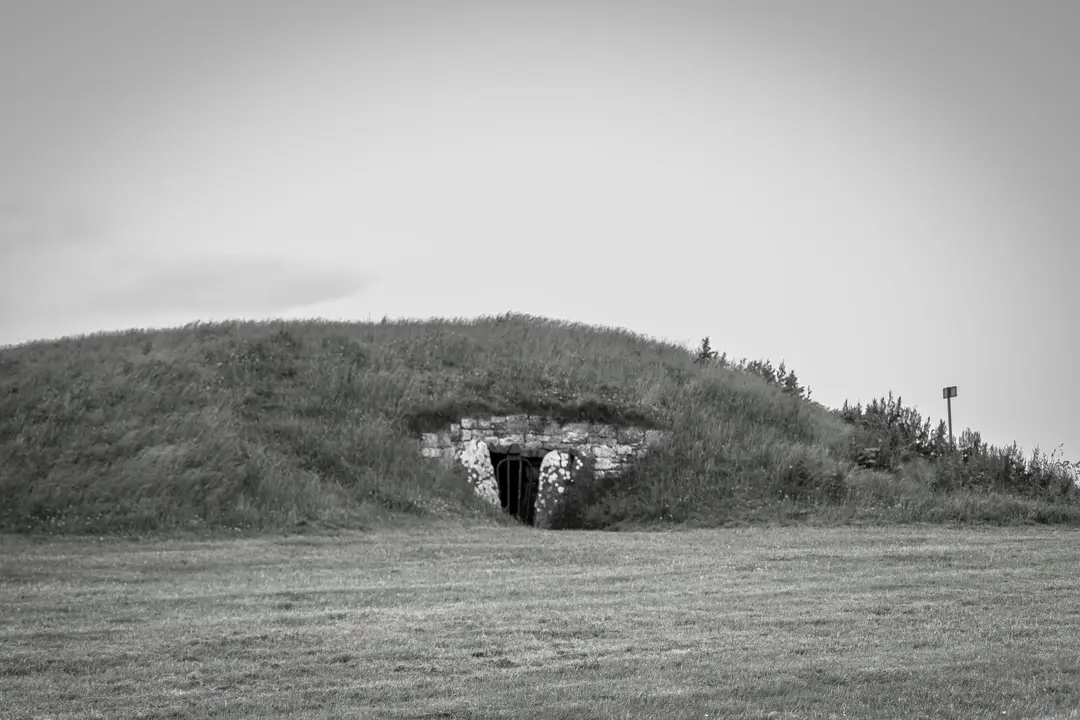
- The Mound of the Hostages: Another passage tomb, and one of the oldest monuments on the site. It predates the Celts. It’s a bit smaller, but still significant.
Understanding Site History
The Hill of Tara is way more than just a scenic spot; it’s a place packed with history. People have been using this site for thousands of years, from around 3500 BC all the way up to the 19th century. It was a major center for burial and assembly, and it eventually became known as the inauguration site for the High Kings of Ireland. The guided and self-guided tours can help you understand the site’s history.
The thing to remember about Tara is that most of the buildings were made of wood. That means that today, you’re mostly seeing earthworks – mounds, ditches, and grassy banks. It can take a little imagination to picture what it was like back in the day, but it’s worth the effort. This place is steeped in mythology and legend, and it’s easy to feel a connection to the past when you’re there.
Want to learn more about the amazing history and secrets of this ancient Irish spot? Head over to our website for a deeper dive into the Hill of Tara!
Conclusion
So, there you have it. Getting to the Hill of Tara is pretty simple, whether you’re driving yourself or taking public transport. Just make sure you plan ahead a little, especially if you want to catch a guided tour or visit the center. It’s a cool spot with a lot of history, and it’s definitely worth the trip. You’ll get some great views and a real sense of the past. Just remember those walking shoes and maybe a jacket, because it can get a bit breezy up there. Enjoy your visit!
Frequently Asked Questions
Is the Hill of Tara worth visiting?
Yes, absolutely! The Hill of Tara has many old sites to see and offers beautiful views of the land around it. The guided tour is also highly recommended.
What can you see at the Hill of Tara?
At the Hill of Tara, you can explore over 30 old monuments that are still visible. You can also take a guided tour to learn all about its past.
Do you have to pay to enter Tara?
No, you don’t have to pay to get into the site itself. However, if you want to take the guided tour, there is a fee for that.
What are the opening hours for the Hill of Tara?
The Hill of Tara is open every day, all year round. The visitor center, located in an old church, is usually open from 10 AM to 6 PM, but it’s a good idea to check their Facebook page for the most current times.
Where is the Hill of Tara located?
The Hill of Tara is in Castleboy, County Meath. It’s a short drive from places like Trim, Slane, and Brú na Bóinne.
What is the history of the Hill of Tara?
The Hill of Tara is a very old and important place in Irish stories and history. It was once the home of the High Kings of Ireland, who were said to rule the entire country. The oldest parts of the site date back to 3,200 BC.