Nearby Historical Sites
If you’re looking for historic sites near Tara, you’re in luck! There are so many amazing places to visit that tell the story of America. From the very first English settlement to important Civil War spots, these locations offer a real look into the past. You can walk where famous figures once stood and learn about the events that shaped our country. It’s a great way to experience history firsthand instead of just reading about it in books.
Key Takeaways
- Jamestowne offers a look at the first permanent English colony, complete with active archaeological digs and ship replicas.
- Jackson Ward highlights African American history through sites like the Maggie L. Walker National Historic Site and the Black History Museum.
- Monticello, Thomas Jefferson’s estate, shows off his unique architecture and shares the stories of the enslaved people who built and maintained the property.
- Mount Vernon, George Washington’s home, sits by the Potomac River and includes the family tomb.
- Yorktown played a big part in both the American Revolution and the Civil War, with a museum and battlefields to explore.
Exploring Historic Jamestowne
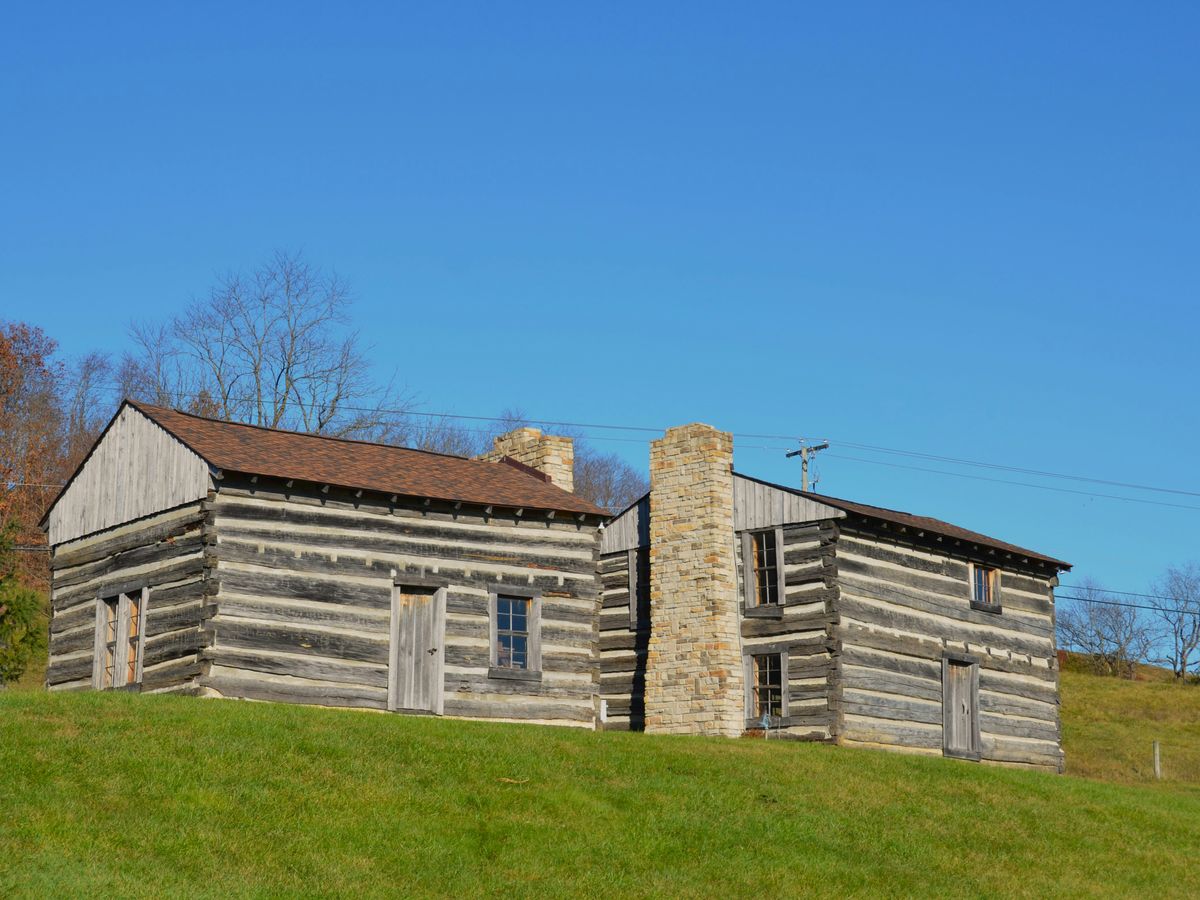
So, you’re thinking about checking out Historic Jamestowne? Good choice! It’s way more than just some old buildings; it’s where the English first decided to stick around in America. I mean, think about it – this is where it all kinda started. It’s part of the Historic Triangle, so you can hit Yorktown and Williamsburg too.
First Permanent English Colony
Okay, so picture this: 1607. A bunch of English folks show up, led by Captain John Smith. They pick a spot, start building, and boom – Jamestown. It’s the first permanent English settlement in North America. They met Pocahontas and the local tribes. It wasn’t all smooth sailing, though. There was definitely some drama, but it’s a super important spot to understand early American history.
Archaeological Discoveries
They’re still digging stuff up! Seriously, there are ongoing archaeological digs happening all the time. You can actually see them when you visit. They’re finding all sorts of things that tell us more about what life was like back then. It’s like a real-life treasure hunt, except instead of gold, they’re finding old tools and pottery. The Historic Triangle is full of surprises.
Jamestown Settlement Replicas
Want to see what it really looked like? Head over to the Jamestown Settlement. They’ve got a full-scale replica of the original fort. Plus, they have replicas of the three ships that brought the colonists over. It’s a pretty cool way to get a feel for how cramped and difficult the journey must have been. You can almost imagine what it was like to arrive in the New World. It’s a great way to experience corporate travel back in time.
Walking around Jamestown, you can almost feel the weight of history. It’s not just about dates and names; it’s about the people who lived there, the challenges they faced, and the legacy they left behind. It’s a place that makes you think about how different things were and how much has changed.
Discovering Jackson Ward’s Heritage
Jackson Ward in Richmond? It’s a spot you absolutely have to check out. I mean, seriously, it’s packed with history. You can almost feel it as you walk around. It’s not just old buildings; it’s the stories behind them, the people who lived and worked there, that really make it special. I spent a day there last fall, and I’m already planning another trip. It’s one of those places that sticks with you.
Maggie L. Walker National Historic Site
Okay, so the Maggie L. Walker site is a must-see. It’s all about Maggie Walker, who was a total boss. She started a bank, the St. Luke Penny Savings Bank, which was a huge deal for the Black community back then. It’s inspiring to see what one person could do. The site itself is her house, and it’s been kept pretty much as it was when she lived there. You get a real sense of what her life was like. The tours are great, and the guides really know their stuff. I learned so much about her and the challenges she faced. It’s not just a house; it’s a symbol of resilience and determination.
Black History Museum & Cultural Center of Virginia
Then there’s the Black History Museum & Cultural Center of Virginia. It’s not just a museum; it’s an experience. They have exhibits that cover everything from slavery to the Civil Rights Movement to contemporary Black artists. It’s a powerful place, and it really makes you think. I spent hours there, just soaking it all in. They also have a lot of community programs and events, so it’s not just about looking at old stuff. It’s about keeping the history alive and relevant. If you want to understand the cultural center of Virginia, this is the place to go.
Historic Black Wall Street
Jackson Ward was once known as the "Black Wall Street," and for good reason. It was a hub of Black-owned businesses and wealth. It’s amazing to think that in a time when Black people faced so much discrimination, they were able to create such a thriving community. You can still see some of the old buildings and get a sense of what it was like back then. It’s a reminder of the power of community and the importance of economic empowerment. It’s also a reminder that history isn’t just about the past; it’s about the present and the future too.
Walking through Jackson Ward, you can almost hear the echoes of the past. The stories of resilience, innovation, and community are woven into the very fabric of the neighborhood. It’s a place that challenges you to reflect on the complexities of American history and to appreciate the contributions of Black Americans.
Here’s a quick look at some key figures from that era:
- Maggie L. Walker: Bank founder and community leader.
- John Mitchell Jr.: Newspaper editor and civil rights activist.
- Rev. Richard Wells: Pastor and community organizer.
Visiting Monticello, Thomas Jefferson’s Estate
Monticello, Thomas Jefferson’s home, is more than just a house; it’s a deep dive into the life and mind of one of America’s Founding Fathers. Located near Charlottesville, a visit here offers a multifaceted experience, exploring architecture, history, and the complex legacy of slavery. I think it’s a must-see for anyone interested in American history.
Architectural Significance
Jefferson was heavily involved in the design of Monticello, and it really shows. He drew inspiration from neoclassical architecture, and the house is full of innovative features for its time. The floor plan, the dome, and the overall symmetry are all testaments to his architectural vision. It’s interesting to see how he incorporated European styles with his own ideas to create something unique. You can really see his personality reflected in the building’s design. Poplar Forest is another example of Jefferson’s architectural style.
Enslaved People’s Contributions
It’s impossible to talk about Monticello without acknowledging the enslaved people who lived and worked there. They were integral to the construction and operation of the estate, and their stories are now being given more prominence. Exhibits and tours focus on their lives, their skills, and the injustices they faced. It’s a sobering but important part of the Monticello experience. The stories of the enslaved are essential to understanding the full history of Monticello.
Dome Room Access
One of the highlights of a Monticello visit is the chance to see the iconic Dome Room. It’s located on the third floor, and access is only available through special tours. The room offers amazing views of the surrounding landscape, and it’s a great example of Jefferson’s architectural ingenuity. If you have the time and the budget, I highly recommend upgrading your ticket to access the dome. It’s a unique experience that you won’t forget.
Visiting Monticello is a powerful experience. It’s a chance to connect with history, to learn about the complexities of the past, and to reflect on the values that shape our nation. It’s not always an easy visit, but it’s definitely a worthwhile one.
Touring Mount Vernon, George Washington’s Home
Mount Vernon, another presidential residence, is located along the Potomac River. The Washington family had owned the land since 1674. George’s father picked the spot for a family home, building it between 1726 and 1735. After his father died, George inherited the 500-acre estate. Instead of tearing down the house, he expanded it, creating a large mansion. Washington spent 20 years realizing his vision for Mount Vernon. He lived there with Martha until he died in 1799. Both George and Martha Washington are buried on the property in the family tomb. Visitors can still see the cemetery while touring the grounds.
Potomac River Location
Mount Vernon’s location on the Potomac River was strategically important. It allowed for easy transportation of goods and people. The river also provided a beautiful backdrop for the estate. The views from the mansion are pretty amazing, especially at sunset. It’s easy to see why Washington chose this spot for his home. The river was a vital part of life at Mount Vernon, and it continues to be a significant feature of the site today.
Washington Family Legacy
The Washington family’s legacy is deeply intertwined with Mount Vernon. The estate was home to multiple generations of Washingtons. Each generation contributed to its history and development. George Washington’s vision shaped the estate into what it is today. His leadership and dedication to the country are reflected in every aspect of Mount Vernon. The estate serves as a reminder of the Washington family’s contributions to American history.
Family Tomb and Grounds
Visiting the family tomb at Mount Vernon is a moving experience. It’s a chance to pay respects to George and Martha Washington. The tomb is located on the grounds of the estate. It’s a simple, dignified structure. The surrounding gardens are beautifully maintained. The grounds offer a peaceful setting for reflection. You can easily spend hours exploring the nature trails and learning about the history of the estate.
Mount Vernon offers a glimpse into the life of George Washington. It’s a place where you can learn about his accomplishments and his personal life. The estate is a testament to his vision and his dedication to the country. Visiting Mount Vernon is a worthwhile experience for anyone interested in American history.
Experiencing Yorktown’s Revolutionary Past
Yorktown is a pretty big deal if you’re into American history, especially the Revolutionary War. It’s not just one thing to see, but a whole area packed with stuff that brings the past to life. I mean, you can practically feel the history as you walk around. It’s also a key spot from the Civil War, so you get a double dose of history.
American Revolution Museum at Yorktown
This place is more than just dusty displays. The American Revolution Museum at Yorktown is designed to make you feel like you’re actually there. They’ve got interactive exhibits that walk you through Colonial Virginia and how the war started. One of the coolest things is the experiential theater – it’s like a movie, but with smoke, wind, and even smells! You can also chat with reenactors dressed as soldiers, doctors, and civilians to get a sense of what daily life was really like back then.
Yorktown Battlefield
Just a short hop from the museum is the Yorktown Battlefield. This is where the last major battle of the American Revolution went down. You can start with a movie that explains why this place is so important, then check out the museum’s exhibits. After that, head outside to see the restored battlefield, the siege lines, and even the Moore House, where the British surrendered to Washington’s forces. It’s pretty amazing to stand where such a huge moment in history happened.
Siege of Yorktown Civil War Site
Believe it or not, Yorktown also played a role in the Civil War. The Siege of Yorktown in 1862 was part of the Peninsular Campaign. If you’re into Civil War history, this is another layer to explore in the same area. It’s interesting to see how the same location was important in two different major conflicts.
Yorktown is a great place to visit if you want to experience history firsthand. It’s not just about reading dates in a book; it’s about walking the ground where history happened and getting a feel for what it was like back then. Whether you’re into the Revolution or the Civil War, there’s something here for everyone.
Appomattox: Civil War’s End
Appomattox is a significant location for those interested in Civil War history. It marks the end of a tumultuous period in American history. It’s a place where you can reflect on the events that shaped the nation.
Museum of the Confederacy
Start your exploration at the Museum of the Confederacy, which offers insights into Virginia’s role during the Civil War. You can see exhibits and artifacts that tell the stories of Confederate soldiers and life in Virginia at the time. It’s a good place to get some context before visiting the historical park.
Appomattox Court House National Historical Park
The Appomattox Court House National Historical Park is where the Civil War effectively ended. It’s more than just a building; it’s a preserved village that takes you back in time. You can walk through the historical park and see the buildings restored to their 1865 condition. It really gives you a sense of what it was like during that period.
McLean House Surrender Site
McLean House is located within the park, and it’s the site where Generals Grant and Lee signed the terms of surrender. It’s a simple building, but it represents a major turning point in American history. Standing in the room where the surrender took place is a powerful experience.
Visiting Appomattox offers a chance to understand the complexities of the Civil War and its lasting impact on the United States. It’s a place for reflection and learning about a pivotal moment in the nation’s past.
Arlington’s Historic Preservation Efforts
Arlington County takes its history seriously, and it shows. There’s a real effort here to keep the past alive, not just in museums, but in the everyday landscape. It’s pretty cool to see how they’re working to protect what makes Arlington unique.
Local Historic Districts
Arlington uses local historic districts to protect important parts of its heritage. These districts help keep the character of the community alive. These districts include well-known spots like Fort Ethan Allen and the Green Valley Pharmacy. It’s more than just old buildings; it’s about preserving the stories and the feel of these places.
National Register of Historic Places
Arlington boasts over 70 places listed in the National Register. This includes Robert E. Lee’s former home and some of the oldest homes, schools, and churches in the area. It’s a wide range of sites, showing just how much history is packed into this county.
Historic Resources Inventory
Arlington did a big survey to find and rank historic buildings. They looked at things like garden apartments, shopping centers, and commercial buildings built before 1955. The survey ranked buildings by how important they are historically and architecturally. It’s a big job, but it helps to know what’s worth saving.
Preserving historic resources isn’t just about the past; it’s about shaping the future. By understanding and protecting our history, we create a stronger sense of community and identity for generations to come.
Arlington is doing a great job saving its old buildings and places. They work hard to make sure these important spots stick around for a long time. Want to see how they do it? Check out our website to learn more about Arlington’s cool preservation projects!
Conclusion
So, there you have it. Our area is packed with historical sites, each telling a piece of the past. Whether you’re into old buildings, battlefields, or just want to see where important things happened, there’s something for everyone. Taking some time to visit these places can really help you get a feel for how things used to be. It’s a good way to connect with history, right in your own backyard. Plus, it’s a nice way to spend a day out.
Frequently Asked Questions
Where is Historic Jamestowne located?
Jamestowne is in Virginia, close to Yorktown. It’s part of what people call the Historic Triangle.
What is Jackson Ward known for?
Jackson Ward is a neighborhood in Richmond, Virginia. It’s known for its important Black history and was once called “Black Wall Street.”
Where can I find Monticello?
Monticello is in Virginia, near Charlottesville. It was the home of Thomas Jefferson.
Where is Mount Vernon located?
Mount Vernon is in Virginia, right by the Potomac River, a little south of Arlington.
Why is Yorktown historically significant?
Yorktown is a very important historical spot in Virginia. It played a big role in both the American Revolution and the Civil War.
What happened in Appomattox?
Appomattox is in Virginia. It’s famous because the Civil War officially ended there.