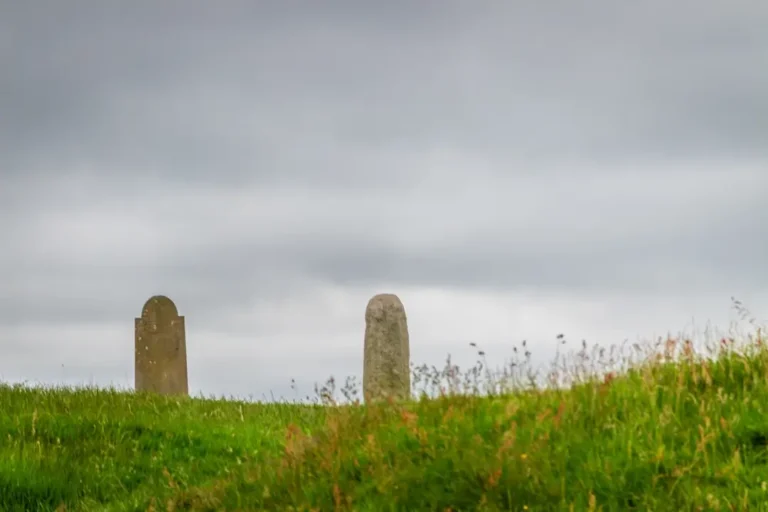
Top 10 Things to do in Meath
So, you’re looking for things to do in Meath, are you? Well, you’ve come to the right place. This county, often called the Royal County, is packed with history, some really old stuff, and even a bit of modern fun. It’s not just about ancient ruins, though there are plenty of those. Meath has a good mix of everything, perfect for a day trip or a longer stay. Get ready to explore!
Key Takeaways
- Meath is full of ancient historical sites, like the famous Brú na Bóinne.
- You can visit grand castles and learn about important battles.
- There are attractions for all ages, from historical spots to adventure parks.
- The county offers a good mix of outdoor activities and indoor museums.
- Meath is a great choice for anyone wanting to explore Irish heritage and have some fun.
1. Brú na Bóinne
Okay, so Brú na Bóinne. It’s more than just a field with some rocks, trust me. It’s a UNESCO World Heritage Site, and for good reason. We’re talking about some seriously ancient stuff here – older than the pyramids, apparently! It’s a collection of Neolithic passage tombs, standing stones, and other prehistoric sites dotted around the Boyne Valley. You could easily spend a whole day just wandering around, soaking it all in.
The main attractions are Newgrange, Knowth, and Dowth. Each one has its own unique vibe, and they’re all pretty impressive in their own way. Newgrange is probably the most famous, especially because of the winter solstice thing.
Basically, on the winter solstice, the rising sun shines directly into the passage and illuminates the chamber inside. It’s a pretty spectacular sight, and people come from all over the world to see it. If you’re planning a visit around that time, you’ll need to enter a lottery to get tickets. But don’t worry, even if you don’t get in for the actual solstice, they do a recreation of the event throughout the year.
Knowth is another biggie. It’s actually bigger than Newgrange, and it has a tonne of megalithic art carved into the stones. Seriously, the detail is amazing when you consider how old it all is. Dowth is a bit less well-known, but it’s still worth a look. It’s a bit more ruined than the other two, but that kind of adds to the atmosphere, if you ask me. The Bru na Boinne visitors centre offers a great introduction to the site.
Here’s a few things to keep in mind when you’re planning your trip:
- Book your tickets in advance, especially if you’re going during peak season. They do timed entry, so you don’t want to miss out.
- Wear comfortable shoes. You’ll be doing a fair bit of walking, and the ground can be uneven in places.
- Bring a camera. You’re going to want to take loads of photos. Trust me.
And if you’re into that sort of thing, check out the top 5 SEO trends for 2025 while you’re at it. You know, keep your mind sharp with some modern knowledge after all that history! Don’t forget to visit Knowth for a humbling experience.
2. Loughcrew Cairns
Okay, so Newgrange gets all the attention, but honestly, Loughcrew Cairns is where it’s at if you want something a bit different. It’s not as polished, maybe, but that’s part of its charm. You’ll find it a bit west of Newgrange, and it’s definitely worth the trip.
Loughcrew, also known as Slieve na Calliagh, is a group of ancient passage tombs dating back to around 3500 BC. It’s spread across three hilltops, so be prepared for a bit of a climb – but the views from the top are amazing, trust me. Plus, you get a real sense of history being up there, looking out over the Meath landscape.
One of the coolest things about Loughcrew is the megalithic art. It’s different from what you see at Newgrange – more abstract, more mysterious. Some people reckon it was made by a witch, which adds to the whole vibe. If you’re into that kind of thing, try to be there around the spring or autumn equinox. The sun shines right into Cairn T, lighting up the carvings inside. It’s supposed to be pretty spectacular. You can explore ancient Irish heritage on a day trip from Dublin.
Honestly, Loughcrew feels a bit more raw and real than some of the other big tourist spots. It’s less crowded, you can wander around at your own pace, and you get a much better sense of what it must have been like for the people who built these things thousands of years ago. Just wear decent shoes – that hill can be slippy!
Here’s a few things to keep in mind:
- It can get windy up there, so bring a jacket, even on a nice day.
- There’s a small car park at the bottom of the hill, but it can fill up quickly, especially during peak season.
- You can find guided tours detailing its history and archaeology.
- The Loughcrew Megalithic Centre is nearby, with a museum detailing the megalithic wonders hereabouts.
- Don’t forget your camera – you’ll want to take loads of pictures. These historic tombs offer guided tours, revealing one of Meath’s best-kept secrets.
3. Kells High Crosses
Just a short hop from the town centre, standing proudly near the Round Tower in Kells, you’ll find a collection of truly remarkable High Crosses. These crosses were crafted way back in the 9th century by the monks of St. Colmcille’s monastery, who originally came from Iona in Scotland. Fun fact: this very same monastery was also responsible for producing the world-famous Book of Kells!
There are actually four crosses in total. Three remain at the original site, while the fourth, distinguished by its carvings indicating that fugitives could seek sanctuary within the monastic grounds, has been relocated to outside Kells Courthouse.
Taking a stroll around the historic Market Square and viewing these crosses is like stepping back in time. The intricate carvings tell stories and offer a glimpse into the lives and beliefs of the people who lived here centuries ago. It’s a really special place to visit and soak up some of Ireland’s rich history.
Here’s what you can expect to see:
- The Cross of Patrick and Columba: This is the most complete and arguably the most impressive of the crosses.
- The East Face Cross: While weathered, you can still make out some of the biblical scenes.
- The West Face Cross: This one has suffered the most damage over the years, but its presence is still imposing.
- The relocated Fugitive Cross: Now outside the courthouse, it’s a reminder of the area’s ancient laws and customs.
4. Slane Castle and Distillery
Ever been to a concert at a castle? Well, Slane Castle is the place. It’s not just about the music, though. The whole estate is massive, like 1,500 acres massive. It’s been home to the Conyngham family for ages, and you can actually take a tour of the castle.
Honestly, walking around the grounds, you can almost feel the history seeping out of the stones. It’s pretty cool.
But wait, there’s more! They’ve got a whiskey distillery right there on the grounds. You can see the whole process, from the grain to the glass, and of course, sample some of their Slane Irish Whiskey. I’m not a huge whiskey drinker, but even I enjoyed it. The tour guides really know their stuff, and the tasting rooms are pretty fancy. It’s a great way to spend an afternoon, even if you’re not a history buff or a whiskey connoisseur. Plus, you can always say you’ve been to a castle and a distillery in one day. Not many people can say that!
Here’s what you can expect:
- Castle tours available daily.
- Whiskey distillery tours run regularly.
- Premium tasting experiences offered.
Slane Castle is a must-see if you’re in Meath. It’s a unique experience that combines history, culture, and a bit of Irish spirit (literally!). 5. Battle of the Boyne Visitor Centre.
Fancy a trip back in time? The Battle of the Boyne Visitor Centre is where you can explore a pivotal moment in Irish and British history. It’s not just for history buffs, though; there’s something for everyone, even if you just want a nice day out.
The centre delves into the clash between King James II and William III, offering a detailed look at the events leading up to the battle and its aftermath. You’ll find exhibits with original and replica weaponry, giving you a real sense of what it was like back then. It’s quite something to see the scale of it all.
But it’s not all about the battle itself. The grounds are lovely for a stroll, and there’s a Victorian Garden with a unique sunken Octagonal Garden. If you’re feeling more adventurous, there are five battle site walks to choose from. And after all that exploring, you can relax at the Tearoom Pavilion with lunch on the outdoor deck.
I found the laser battle site model particularly interesting. It really helped visualise the battle formations and understand the strategies involved. It’s a great way to bring history to life, especially for those who aren’t usually drawn to historical events.
Here’s a quick rundown of what you can expect:
- Interactive exhibits
- Guided tours available
- Beautiful gardens and walking trails
- Tearoom with outdoor seating
- Gift shop with historical souvenirs
6. Irish Military War Museum
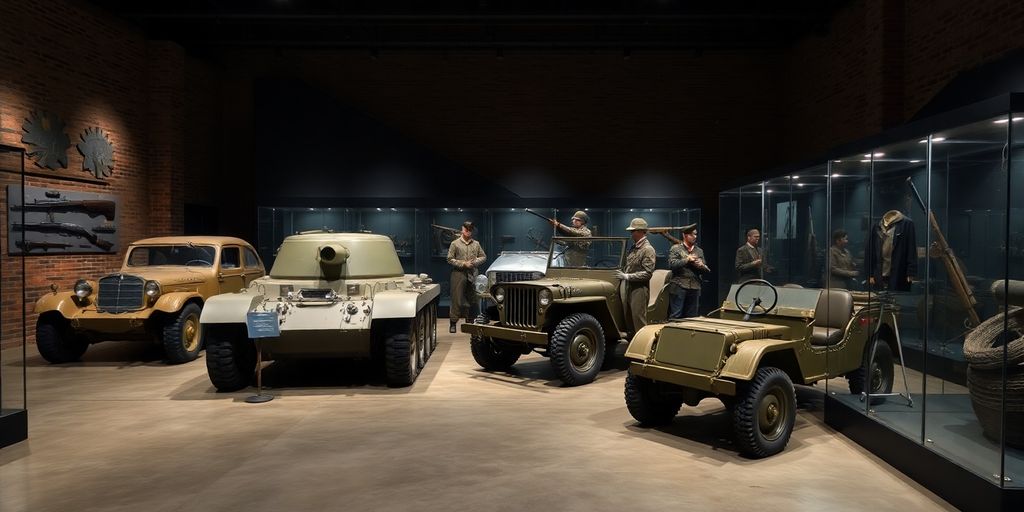
Fancy something a bit different? Then the Irish Military War Museum is well worth a look. It’s only a short drive from the Battle of the Boyne site, so you could easily do both in a day. This museum offers a really immersive experience, taking you back to some of the most significant conflicts in history.
Imagine stepping into a World War, or experiencing what it was like for the 210,000 Irishmen who served in the trenches of France, Flanders, and the Dardanelles. The museum does a great job of recreating the atmosphere of The Emergency too.
What makes this place stand out is its collection. They’ve got a huge range of deactivated weapons and World War II vehicles from both the Allied and Axis forces. And the best part? You can even contact take a spin in a real tank! It’s a proper hands-on experience, and something you won’t forget in a hurry.
It’s a fascinating place to learn about Irish military history and see some incredible pieces of equipment up close. Whether you’re a history buff or just looking for something different to do, the Irish Military War Museum is a great option.
Here’s a quick rundown of what you can expect:
- Extensive collection of military vehicles
- Deactivated weapons from various conflicts
- Exhibits on Irish involvement in major wars
- Interactive displays and experiences
It’s a good idea to check their opening hours and plan your visit in advance, especially during peak season. You don’t want to miss out!
7. Hill of Tara
Okay, so the Hill of Tara is one of those places that just oozes history. I mean, you’re standing where, supposedly, 142 Irish high kings ruled. That’s a lot of history under your feet! It’s not just about kings though; St. Patrick himself is said to have had a bit of a showdown here with the old pagan religion.
The views are amazing. Seriously, on a clear day, they say you can see half the counties in Ireland. I’m not sure if I managed to count that many, but I definitely spotted the Hill of Slane in the distance. It’s a great spot for taking photos, so don’t forget your camera. You can also try to spot the brilliant white quartz front of Newgrange to the northeast.
There’s something really special about standing on top of the hill, imagining all the stuff that’s gone on there over the centuries. It’s not just a pile of rocks; it’s a place where things happened. It’s a place where legends were made. It’s a place where you can feel connected to the past. If you’re into history, or just fancy a nice walk with a view, the Hill of Tara is well worth a visit.
I remember going there last summer, and even though it was a bit crowded, it was still really cool. There’s just something about being in a place with so much history that makes you feel… I don’t know, connected to something bigger than yourself. Plus, the kids loved running around on the grass, which is always a bonus.
Here are a few things you can check out while you’re there:
- The Royal Enclosure: A big old Iron Age hill fort.
- Enclosure of King Laoghaire: Where a king who was around at the same time as St. Patrick is supposedly buried.
- Tara Visitor Centre: Learn more about the history of the area.
8. Trim Castle
Trim Castle is seriously impressive. I mean, it’s HUGE. You can’t miss it. It dominates the landscape, and you can see why it was such an important stronghold back in the day. It’s one of those places that just oozes history, and you can almost feel the past as you walk around.
Built by Hugh de Lacy in the 12th century, it’s the largest Anglo-Norman castle in Ireland. It’s been used as a backdrop for films like Braveheart, which is pretty cool. Even if Mel Gibson isn’t hanging around, it’s still worth a visit.
Walking around the castle grounds, you get a real sense of its scale and importance. It’s not just a pile of old stones; it’s a tangible link to Ireland’s mediaeval past. The views from the top of the keep are amazing, and you can see for miles around.
Here’s what you can do when you visit:
- Take a guided tour to access the keep. It’s worth it to hear all the stories and learn about the castle’s history.
- Explore the grounds at your own pace. There’s plenty to see, and you can easily spend a few hours wandering around.
- Imagine what life was like back in the 12th century. It’s a great way to connect with the past and appreciate the history of this Norman castle.
It’s also worth checking out some of the other historical sites nearby, like Bective Abbey or St Mary’s Abbey. You can easily spend a day exploring the area and soaking up the history.
9. Emerald Park

Fancy a day of thrills? Then Emerald Park is the place to be. It’s Ireland’s biggest theme park, located in Ashbourne, and it’s packed with attractions for all ages. I remember going there last summer, and honestly, it was a blast, even for someone like me who isn’t usually into rollercoasters.
The park boasts Europe’s largest wooden rollercoaster, the Cú Chulainn, which is an absolute must-try for adrenaline junkies. But it’s not just about the big rides. There’s a zoo with Amur tigers, a zipline for those who want to fly through the air, and plenty of adventure playgrounds to keep the kids entertained for hours. Plus, they often have special events and shows, so it’s worth checking their website before you go to see what’s on. It’s about a 45-minute drive from Dublin city centre, making it an easy day trip.
I’d recommend getting there early, especially during peak season, to make the most of your day. The queues for the popular rides can get quite long, so planning is key. Also, don’t forget to wear comfortable shoes – you’ll be doing a lot of walking!
10. Boyne Valley Activities
So, you’ve soaked up the history, explored the castles, and maybe even sampled some whiskey. What’s next? Well, the Boyne Valley isn’t just about old stones and stories; it’s also a cracking place for some outdoor adventures. I was surprised to find out how many options there are!
Boyne Valley Activities offer a wide range of experiences for families and groups.
Instead of just wandering around, why not get the adrenaline pumping?
- Kayaking/Canoeing: Paddle down the Boyne, taking in the scenery from a totally different angle. You can even kayak through Trim, which is pretty cool.
- White Water Rafting: For something a bit more intense, try white water rafting. I’ve heard it’s a proper laugh, even if you end up soaked.
- High Ropes and Ziplining: If you’re not afraid of heights, there are high ropes courses and ziplines dotted around. A great way to test your nerve and get some amazing views. I’d be terrified, but I know some people love that sort of thing.
Honestly, I didn’t expect to find so much to do outdoors in a place so famous for its history. It’s a great way to balance the cultural stuff with something a bit more active, especially if you’ve got kids in tow. Plus, it’s a good way to see the ancient Irish history from a different perspective.
I think it’s worth checking out what’s on offer, especially if you’re planning a three-day itinerary and want to mix things up a bit. And if you need to get in touch with anyone, you can find their contact information online.
The Boyne Valley is packed with amazing things to do, from ancient sites to fun outdoor adventures. You could spend days exploring all the area has to offer. To help you plan your perfect trip, we’ve put together a guide with loads of ideas. Discover all the fantastic Boyne Valley activities and start planning your visit today!
Wrapping Things Up in Meath
So, there you have it, a little look at some of the cool things you can get up to in County Meath. It’s a place with a bit of everything, really. You’ve got the really old stuff, like those amazing tombs, then there are the castles, and even some fun parks if you’re into that. It’s not one of those places that’s all about one thing, which is nice. Whether you’re into history, or just want to get out and about, Meath has a good mix. Definitely worth a visit if you’re looking for something a bit different for a weekend away.
Frequently Asked Questions
Where exactly is County Meath located?
County Meath is found on the eastern side of Ireland, just north of Dublin. It’s easy to get to by car or public transport from most major Irish cities.
What is County Meath best known for?
Meath is famous for its really old historical sites, like the amazing tombs at Brú na Bóinne and the Hill of Tara, which was once home to ancient kings. It’s also known for its beautiful green countryside and the Boyne River.
How long should I plan to stay in Meath?
You could easily spend a weekend, say three days, exploring Meath. This would give you enough time to see the main historical spots, enjoy some outdoor fun, and try out the local food.
Is County Meath a good place for families with children?
Yes, Meath is a great place for families! There are lots of things to do that kids will love, like Emerald Park with its rides and animals, and the Irish Military War Museum, which is quite interesting for all ages.
When is the best time of year to visit Meath?
The best time to visit Meath is usually from spring to autumn (April to October). The weather is nicer then, making it perfect for exploring outside and enjoying all the attractions.
Can I get around Meath easily without a car?
Absolutely! Meath has a good public transport system, including buses that connect different towns and attractions. However, having a car gives yo