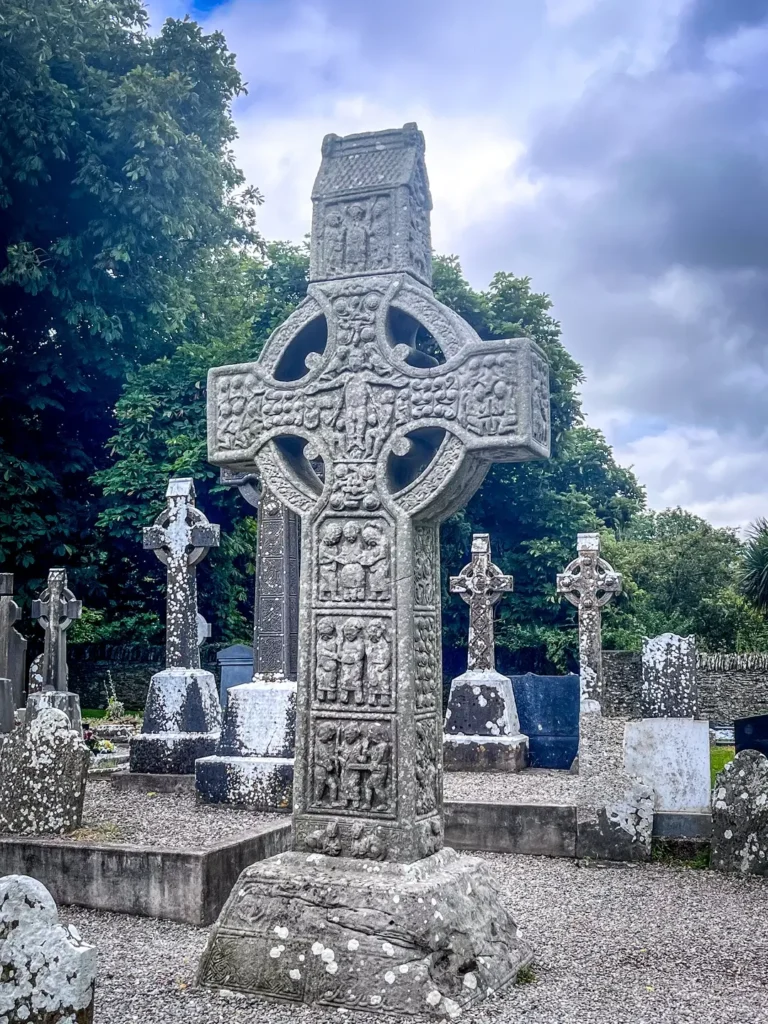
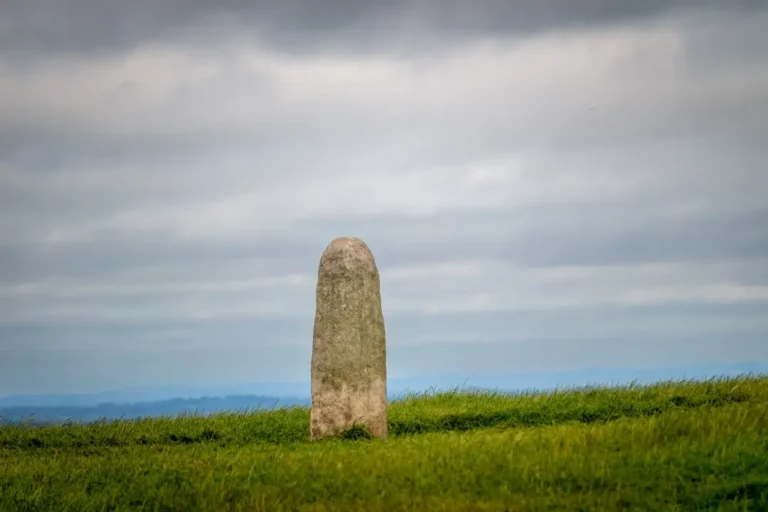
UNESCO World Heritage Status
Ever heard of a UNESCO World Heritage Site? These are places around the globe that UNESCO, which is the United Nations Educational, Scientific and Cultural Organization, thinks are super important for everyone. We’re talking about spots with amazing cultural, historical, or scientific value. Think ancient ruins, beautiful natural parks, or even whole cities! They get special protection and recognition because they’re considered outstanding for all of humanity. It’s a big deal to get this status, and it helps make sure these unique places stick around for future generations to enjoy.
Key Takeaways
- UNESCO World Heritage status is a special designation for places with global importance, like unesco heritage newgrange.
- These sites are chosen for their amazing cultural, historical, or scientific value.
- Getting listed means a site gets international recognition and often some help with money for upkeep.
- There’s a whole process for a place to become a World Heritage Site, starting with its home country.
- The goal is to protect these unique spots so they last a long time for everyone to appreciate.
Understanding UNESCO World Heritage Status
Defining World Heritage Sites
So, what exactly is a World Heritage Site? Basically, it’s a place that UNESCO (the United Nations Educational, Scientific and Cultural Organization) thinks is super important. These sites have special cultural or natural significance. Think ancient ruins, cool forests, or even entire cities. To make it onto the list, a country has to nominate the site, and then UNESCO’s World Heritage Committee decides if it’s worthy. It’s kind of like the Oscars, but for places. There are several lists by continent that you can check out.
The Role of UNESCO
UNESCO is the main organization behind the World Heritage program. They’re the ones who decide which sites get the World Heritage label. But it’s more than just handing out awards. UNESCO also helps countries protect and manage these sites. They provide advice, training, and sometimes even money to help keep these places safe for future generations. It’s a big job, and UNESCO plays a key role in making sure it all happens. They also administer an international treaty to protect these sites.
Significance to Humanity
Why does any of this matter? Well, World Heritage Sites are considered to have "outstanding value to humanity". That means they’re not just important to one country or one group of people, but to everyone on the planet. These sites tell us about our history, our culture, and our natural world. They’re places where we can learn, explore, and connect with something bigger than ourselves. Plus, having a site on the World Heritage List can bring in tourists and boost the local economy. It’s a win-win for everyone.
Protecting these sites is not just about preserving the past; it’s about safeguarding our future. These places offer lessons and insights that can help us address the challenges we face today, from climate change to cultural understanding.
The Nomination and Selection Process
So, you’ve got this amazing place, right? You think it deserves to be a World Heritage Site. Well, it’s not as simple as just saying, "Hey, this is awesome!" There’s a whole process involved, and it can take a while. Let’s break it down.
Host Country Nomination
First things first, the country where the site is located has to nominate it. They can’t just nominate anything, though. They have to start with what’s called a "Tentative List." This is basically a list of sites that the country thinks might be worthy of World Heritage status. Think of it as a pre-nomination list. A country may not nominate sites that have not been first included on its Tentative List.
Once a site is on the Tentative List, the country can prepare a Nomination File. This is a big, detailed document that explains why the site is so special and why it deserves to be on the World Heritage List. It’s like writing a really, really good college application, but for a place.
World Heritage Committee Evaluation
Okay, so the Nomination File is submitted. Now what? Well, it goes to the World Heritage Committee. But before they even look at it, two advisory bodies get to weigh in: the International Council on Monuments and Sites (ICOMOS) and the World Conservation Union (IUCN). These groups are made up of experts who know their stuff when it comes to cultural and natural heritage. They review the Nomination File and make recommendations to the Committee.
The Committee meets once a year to decide which sites to add to the World Heritage List. They can either approve the nomination, defer it (meaning they want more information), or reject it outright. It’s kind of like going on Shark Tank, but instead of money, you’re hoping for international recognition.
Criteria for Selection
So, what does it take to actually get a site on the World Heritage List? Well, it has to be of "outstanding universal value." That’s a pretty high bar. And it has to meet at least one of ten criteria. These criteria cover a range of things, from representing a masterpiece of human creative genius to containing superlative natural phenomena or areas of exceptional natural beauty.
It used to be that there were different sets of criteria for cultural and natural sites, but now there’s just one set of ten. This makes things a little simpler, but it also means that sites have to really stand out to make the cut.
Here’s a simplified look at the criteria:
- Represents a masterpiece of human creative genius.
- Exhibits an important interchange of human values, over a span of time or within a cultural area of the world.
- Bears a unique or at least exceptional testimony to a cultural tradition or to a civilization which is living or which has disappeared.
Benefits of World Heritage Listing
International Recognition and Protection
Being added to the World Heritage List is a big deal. It gives a site international recognition, which can really help with its protection. Think of it like getting a special badge that says, "This place is important to the whole world!" This recognition can lead to stronger legal protections at both the national and international levels. It also raises awareness, which can help prevent damage or destruction. It’s not just about prestige; it’s about safeguarding these places for future generations.
Access to Conservation Funding
One of the most tangible benefits of World Heritage status is the potential to get money for conservation. The World Heritage Fund, along with other organizations, provides financial assistance to help protect and manage these sites. This money can be used for all sorts of things, like:
- Restoring damaged structures
- Implementing sustainable tourism practices
- Training local staff in conservation techniques
- Conducting research to better understand the site’s significance
It’s not always a guarantee, and there’s often competition for these funds, but having that World Heritage label definitely opens doors. Securing conservation efforts is a huge advantage.
Increased Tourism Revenue
World Heritage sites often see a boost in tourism. People want to visit places that are recognized as being special, and that increased tourism can bring a lot of money to the local economy. This can mean more jobs, more businesses, and a better quality of life for people who live near the site. However, it’s a double-edged sword. Too much tourism can also damage the site, so it’s important to manage it carefully. It’s all about finding a balance between preserving the site and allowing people to enjoy it. The increase in tourism revenue can be substantial.
Managing tourism is a key challenge. It’s important to develop strategies that protect the site while still allowing visitors to experience its unique qualities. This might involve limiting the number of visitors, implementing sustainable transportation options, or educating tourists about the importance of conservation.
Types of World Heritage Sites
UNESCO recognizes that heritage isn’t just about old buildings. It’s about the whole picture of what makes our world special. That’s why they categorize World Heritage Sites into different types, acknowledging the diverse ways that outstanding universal value can manifest.
Cultural Heritage Sites
These are the sites that most people probably think of first. Cultural Heritage Sites World Heritage Site are things like ancient ruins, historical buildings, significant archaeological areas, and monuments. They represent human achievement, traditions, and ideas.
Think of it this way:
- A cathedral built centuries ago.
- An ancient city, now in ruins, that tells a story of a lost civilization.
- A sacred place that holds deep meaning for a particular culture.
Natural Heritage Sites
Natural Heritage Sites are all about the natural world. These are areas of outstanding beauty, unique geological formations, or habitats of endangered species. They showcase the Earth’s natural processes and biodiversity.
These sites are important because they remind us of the power and beauty of nature. They also play a vital role in conservation efforts, helping to protect endangered species and preserve unique ecosystems.
Examples include:
- National parks with stunning landscapes.
- Unique geological formations, like the Grand Canyon.
- Habitats of endangered species, like the Amazon rainforest.
Mixed Sites
Sometimes, a site is significant for both its cultural and natural values. These are designated as Mixed Sites. They offer a blend of human history and natural beauty, where the two are intertwined.
Here’s a simple breakdown:
| Feature | Description 1. The site of Machu Picchu in Peru, with its ancient Inca city and stunning mountain setting.
2. The Rice Terraces of the Philippine Cordilleras, where generations have shaped the landscape for agriculture.
3. The Uluru-Kata Tjuta National Park in Australia, with its iconic rock formations and Aboriginal cultural significance.
Notable World Heritage Success Stories
Restoration of Angkor
Angkor, in Cambodia, is a huge temple complex. It’s a powerful symbol, and its restoration is a major success story. For years, the temples were threatened by war, looting, and just plain old neglect. The international effort to bring Angkor back to its former glory is a testament to what can happen when people work together.
- Clearing landmines was a big first step.
- Then, teams worked to stabilize the structures.
- Finally, they began the long process of restoration.
It’s not just about fixing stones. It’s about preserving a culture and a history for future generations. The work continues, but the progress is undeniable.
Preservation of Old City of Dubrovnik
Dubrovnik, Croatia, is a beautiful city on the Adriatic Sea. During the 1990s, it suffered heavy damage during the war. The Old City, a World Heritage Site, was shelled. After the war, there was a big push to rebuild.
- Emergency repairs were done quickly.
- International organizations provided funding and expertise.
- The city was rebuilt using traditional methods and materials.
Now, Dubrovnik is a thriving tourist destination. It’s a reminder that even after terrible destruction, recovery is possible. The city’s comeback is a great example of resilience.
Conservation of Ngorongoro Conservation Area
The Ngorongoro Conservation Area in Tanzania is a unique place. It’s home to a huge variety of wildlife, and it’s also where the Maasai people live. Balancing the needs of both people and animals is a challenge. The conservation efforts have been pretty successful. They’ve managed to protect the area’s biodiversity while also supporting the local community. It’s a complex situation, but the results speak for themselves. The area remains a haven for wildlife and a place where the Maasai can continue their traditional way of life. The World Heritage Program has helped a lot.
Protecting World Heritage Sites
Legal Protection Frameworks
World Heritage Sites don’t just get a pat on the back and a certificate; they’re supposed to be backed by some serious legal muscle. This usually involves a mix of international agreements and the domestic laws of the country where the site is located. The idea is to create a safety net that prevents damage, destruction, or inappropriate development. Think of it like a really, really important historical building having its own personal bodyguard.
- International treaties play a big role.
- National laws need to be up to the task.
- Local regulations often fill in the gaps.
Monitoring and Conservation Efforts
It’s not enough to just declare a place a World Heritage Site and walk away. Regular monitoring is key. Experts keep an eye on the site’s condition, looking for signs of deterioration or threats. Conservation efforts can range from simple maintenance to large-scale restoration projects. The goal is to keep these sites in good shape for future generations. The World Heritage Sites list is maintained by the international World Heritage Program.
Protecting these sites is a continuous process. It requires constant vigilance and a willingness to adapt to new challenges. It’s like taking care of a really old car; you can’t just park it in the garage and forget about it.
Addressing Threats to Sites
World Heritage Sites face all sorts of dangers. Natural disasters, pollution, tourism, and even armed conflict can put these places at risk. Addressing these threats requires a multi-faceted approach, involving governments, local communities, and international organizations. Sometimes it means implementing stricter regulations, other times it means investing in better infrastructure or promoting sustainable tourism. The destruction of cultural assets is a primary goal of modern asymmetrical warfare.
Here’s a quick look at some common threats:
- Climate change: Rising sea levels and extreme weather events.
- Development: Uncontrolled construction and urbanization.
- Tourism: Overcrowding and damage from visitors.
- Conflict: War and civil unrest leading to destruction and looting.
The World Heritage Program
The World Heritage Program is a comprehensive initiative by UNESCO to identify, protect, and preserve cultural and natural heritage around the world considered to be of outstanding value to humanity. It’s more than just a list; it’s a framework for international cooperation in heritage conservation. I think it’s pretty cool how it brings countries together to protect these amazing places.
Program Administration
The program is administered by the World Heritage Centre, which functions as the secretariat of the World Heritage Committee. The Centre organizes the sessions of the Committee and provides it with all the documentation, plans and reports of its meetings. It also implements the Committee’s decisions and coordinates the day-to-day management of the Convention. The Centre also promotes international cooperation in the conservation of world heritage properties.
Role of the World Heritage Committee
The World Heritage Committee is the main governing body of the World Heritage Convention. It consists of representatives from 21 States Parties elected by the General Assembly of States Parties for a term of six years. The Committee’s responsibilities include:
- Identifying properties to be protected under the Convention.
- Deciding which sites to inscribe on the World Heritage List.
- Examining reports on the state of conservation of inscribed properties.
- Deciding on the allocation of financial assistance from the World Heritage Fund.
The Committee meets annually to review nominations and examine the state of conservation of properties already on the List. It’s a big job, making sure these sites are being properly cared for.
Expert Advisory Panels
To assist the World Heritage Committee in its work, several expert advisory bodies provide evaluations and recommendations. These include:
- The International Council on Monuments and Sites (ICOMOS), which assesses cultural properties.
- The International Union for Conservation of Nature (IUCN), which evaluates natural properties.
- The International Centre for the Study of the Preservation and Restoration of Cultural Property (ICCROM), which provides expertise in conservation training and research.
These panels play a vital role in ensuring that decisions about World Heritage listings are based on sound scientific and cultural assessments. They help maintain the integrity of the World Heritage List and the effectiveness of conservation efforts.
Conclusion
So, that’s a look at UNESCO World Heritage status. It’s clear that these sites are really important for everyone, all over the world. They help us remember history and protect amazing places. Getting listed means a lot of work, and it also means a place gets more attention and help to stay preserved. It’s a big deal for these special spots, making sure they stick around for a long time.
Frequently Asked Questions
What exactly is a UNESCO World Heritage Site?
UNESCO World Heritage Sites are special places around the world that UNESCO, a part of the United Nations, has decided are super important for everyone on Earth. These places can be old buildings, natural wonders, or even whole cities. They get this special title because they have amazing cultural, historical, or scientific value.
What does UNESCO do with these sites?
UNESCO is like a global club for education, science, and culture. They help find and protect these important sites. They also make sure people know about them and help countries take care of them so they last a long, long time.
How does a place become a World Heritage Site?
It’s a big deal! First, a country has to suggest one of its special places. Then, a group of experts from UNESCO, called the World Heritage Committee, checks it out. They have a list of rules the place has to meet, like being truly unique and having a plan to keep it safe. If it passes all the tests, it gets added to the list!
What are the benefits of a site being listed?
Being on the list brings lots of good things! It means the whole world recognizes how special the place is, and it gets extra protection. Sometimes, it can even get money to help keep it in good shape. Plus, more people usually visit, which can help the local economy.
Are there different types of World Heritage Sites?
There are a few main kinds. Some are ‘cultural,’ like ancient ruins or historic cities. Others are ‘natural,’ like amazing forests or mountains. And some are ‘mixed,’ meaning they have both important cultural and natural features.
How are these sites protected once they’re listed?
It’s a team effort! Countries that have these sites agree to protect them. UNESCO also keeps an eye on them and offers help and advice. There are laws in place to keep them safe, and people work hard to make sure they aren’t damaged by things like too many visitors or climate change.